
Origami Project – Sharing Peace Through Paper Cranes
折り紙プロジェクト|一羽の鶴から始まる、静かな平和のかたち
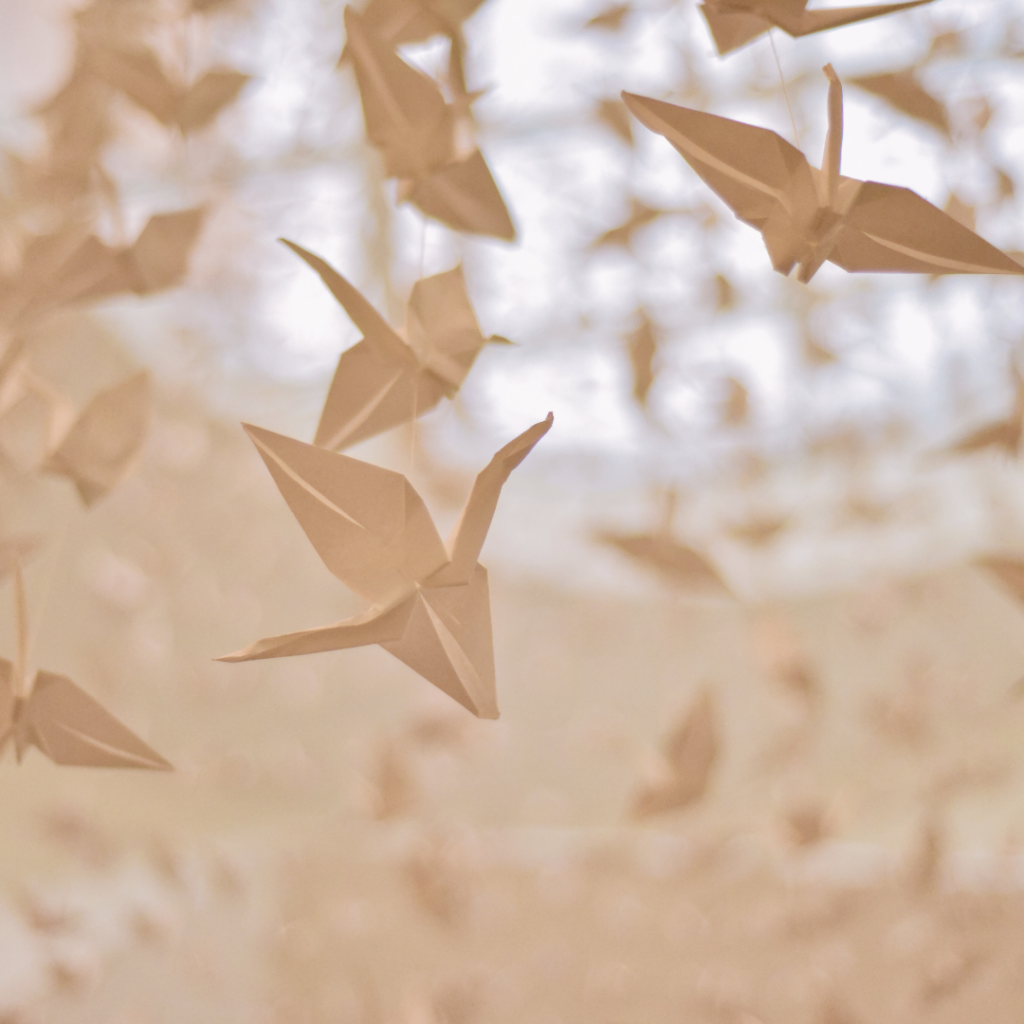
A single folded crane can carry a prayer,
a memory, and a quiet message of care.
This project began with one small act,
and continues through human connection beyond borders.
一羽の鶴には、
祈り、記憶、そして静かな思いやりが込められています。
このプロジェクトは、
小さな行為から始まり、
人と人とのつながりの中で、国境を越えて続いています。
A Small Act That Carries Care Beyond Words
The origami crane is widely known as a symbol of prayer, peace, and recovery.
In Japan, it also represents longevity and hope.
When paper cranes were folded in response to the Sandy Hook tragedy,
they were created not only as prayers for healing,
but as expressions of love, gratitude, and solidarity.
Each crane carried a quiet message:
“We are with you. You are cared for.”
折り鶴は、祈りや平和、回復の象徴として知られています。
日本では、長寿や希望の象徴でもあります。
サンディフックの悲劇のあとに折られた鶴たちは、
癒しを願う祈りであると同時に、
愛、感謝、連帯の気持ちを伝えるものでした。
一羽一羽に込められていたのは、
「あなたは一人ではない」「私たちはあなたを思っている」
という静かなメッセージでした。
From Prayer to Connection – Origami Diplomacy
Over time, this understanding expanded.
Through encounters across borders and generations,
origami grew into what I call “Origami Diplomacy.”It is a simple act that anyone can do
to express care, connection,
and our shared humanity beyond words.時を重ねる中で、
折り紙が持つ意味は少しずつ広がっていきました。
国や世代を越えた出会いを通して、
折り紙は「Origami Diplomacy(折り紙外交)」と
呼べるものへと育っていきます。それは、誰にでもできる小さな行為でありながら、
言葉を超えて思いやりやつながり、
人としての共通の想いを伝える力を持っています。
Activities & Outreach
- Origami workshops for children, families, and communities
Peace and remembrance programs
School and community-based cultural exchange
Collaborative projects across cultures and generations
子ども・家族・地域向け折り紙ワークショップ
平和と記憶をテーマにしたプログラム
学校・地域での文化交流
世代や国を越えた協働プロジェクト
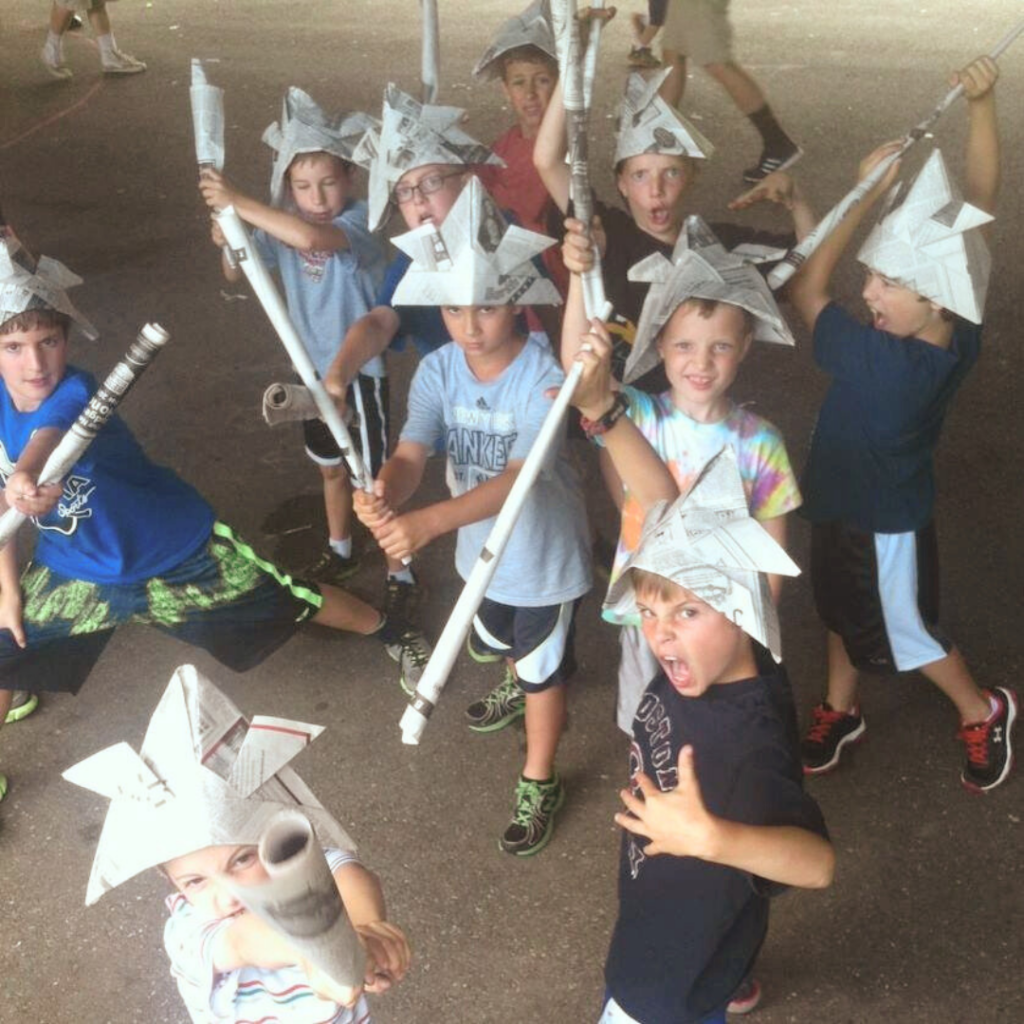
Origami workshops (cranes, Tanabata decorations, samurai hats)
Kamishibai (paper theater) storytelling
Tea ceremony presentations for kids and seniors
School and community-based cultural exchanges
子ども向けのお茶体験や日本語と折り紙ワークショップ(鶴、七夕飾り、兜など)
紙芝居によるストーリーテリング
シニア向けのお茶と文化紹介
学校・地域での文化交流活動
Motoko Ishihara Evans is a Japanese cultural educator and global connector,
bridging Japan and the world through language, mindfulness,
and traditional arts such as Ikebana.
Rooted in Japanese traditions and shaped by life abroad,
she creates gentle spaces where people can reconnect
with themselves and with others.
石原モトコは、日本の伝統文化と言葉を通して
日本と世界をつなぐ文化教育者です。
生け花や対話、マインドフルな実践を通して、
自分自身と、そして他者とつながる
やさしい学びの場を育んでいます。
A Personal Beginning
This project began shortly after I arrived in the United States.
Faced with tragedy, I wanted to do something — even something small.
Folding paper became a quiet way to grieve, to pray,
and to stay connected to humanity.このプロジェクトは、
私がアメリカに来て間もない頃に始まりました。
大きな悲しみを前に、
何かできることはないかと考え、
たどり着いたのが「折る」という行為でした。折り紙は、祈りであり、
人とつながり続けるための静かな方法だったのです。
If you would like to learn more or collaborate,
please feel free to get in touch.
▶︎▶︎